
Your owner’s manual explains when different parts of your vehicle need servicing, but keeping up with maintenance also means knowing what to check between appointments and how your driving habits affect the schedule.
This quick maintenance guide explains the regular checks you can do yourself and how to keep track of upcoming work.
Following an Efficient Vehicle Maintenance Schedule
First and foremost, it’s always advised to follow the manufacturer’s maintenance recommendations and then use regular inspections on your own to identify problems that develop between vehicle maintenance services.
Follow both the time and kilometre limits
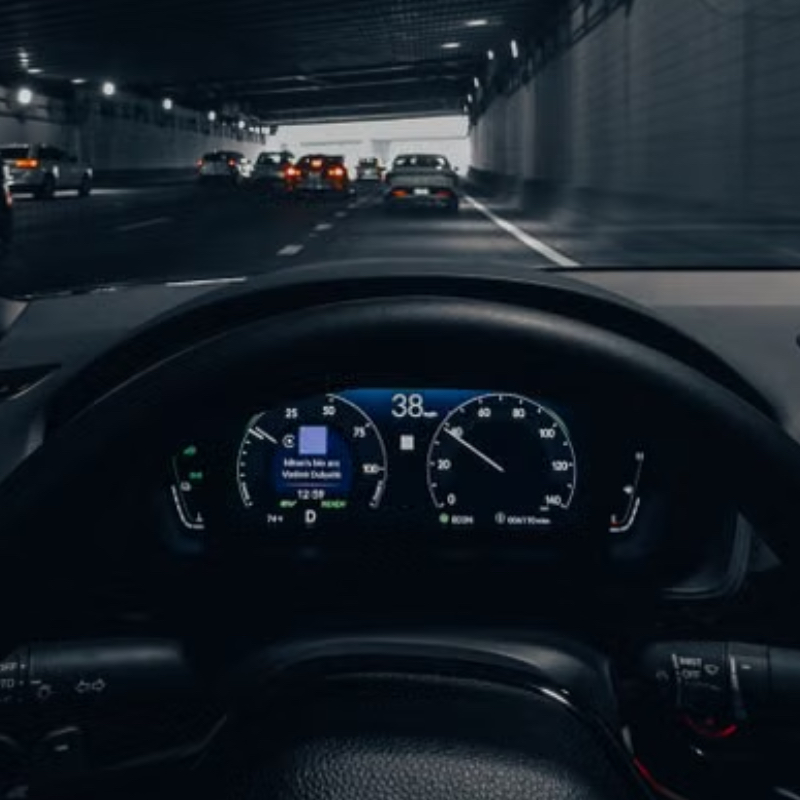 Be aware that there are many maintenance items on a vehicle that have a time limit and/or a kilometre limit. Depending on your vehicle, these can include oil and filter changes, coolant replacement, brake fluid changes and timing belt replacement.
When the schedule says “whichever comes first,” that means you should book the service appointment when you reach either one – either a time limit (i.e. every 6 months) or a kilometre limit (like every 30,000 kms).
For example, if a service is due every six months or 8,000 kilometres, it is due at six months even if you have only driven 3,000 kilometres and vice versa. If you’re still unclear, just ask your mechanic for the correct interpretation of the guidelines.
Check these specific items every month
A few regular checks every month will help you catch problems before your next service appointment. Your manual explains how to check fluid levels and which products your vehicle requires. If you are unsure about a check, ask your mechanic to show you.
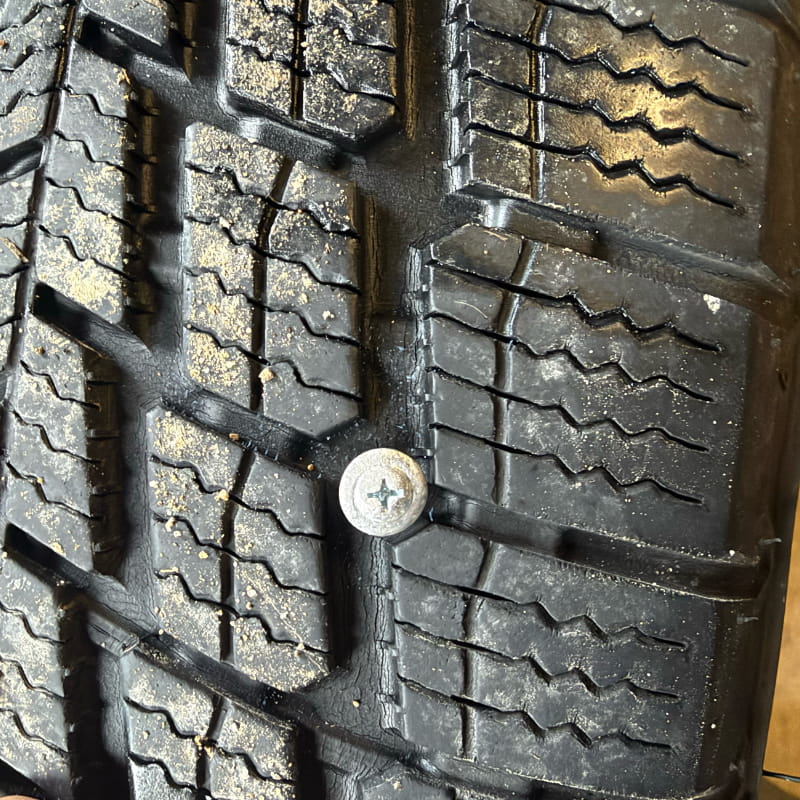 Check these parts of your vehicle regularly:
- Check tire pressure using the pressure listed on the tire information label.
- Look for uneven tire wear, cuts, nails, bulges or other damage.
- Check the engine oil level using the procedure in your manual.
- Check the coolant level when the engine is cold.
- Top up windshield washer fluid.
- Check your headlights, brake lights, turn signals and windshield wipers.
- Look for and note fluid spills where you normally park.
These simple checks are meant to help you spot any problems early and bring them to your mechanic’s attention before they get worse.
Plan seasonal checks before and after winter
It’s wise to bring your vehicle in for a maintenance check a month or so before and after winter. The goal is to ensure your vehicle will drive safely throughout the winter, and ensure it made it through the winter without any issues.
Have any of your concerns about slow starting, weak heat or poor windshield clearing brought to your mechanic’s attention. Ask about battery testing and whether your coolant provides the required freeze protection.
Make sure your mechanic checks the condition of your winter tires before they’re installed and checks your brakes to ensure they’ll stop on the upcoming icy roads.
Before spring when it’s getting warm out again, make another appointment with your mechanic and have them look for any damage or wear from potholes and salted roads etc. The seasonal tire change also gives your mechanic a chance to inspect areas that are easier to see with the wheels removed.
Our guide explains what to check after a long winter of Ontario driving.
Keep track of maintenance tasks
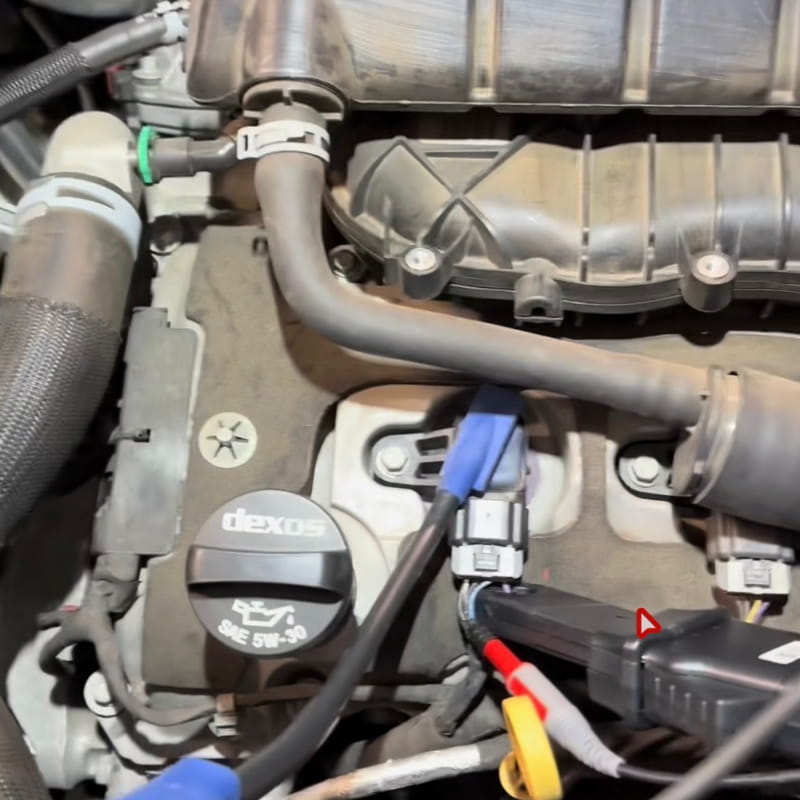 It’s a good idea to keep track of all the maintenance and repairs that have been done to your car, because some jobs are easy to overlook if they are done less often than say an oil change.
When you have a record against the manufacturer’s schedule, you know what has already been done and what’s coming up next. It also helps you budget for upcoming maintenance appointments.
Items worth keeping track of include:
- Engine and cabin air filter replacement.
- Brake fluid and coolant replacement.
- Transmission fluid service.
- Differential and transfer case fluid service.
- Spark plug replacement.
- Timing belt replacement.
- Tire rotation.
The service intervals for these jobs vary considerably. Confirm what applies to your vehicle before booking a generic maintenance package. If you bought the vehicle used and have no records, ask your mechanic to help establish what is due.
Keep each service invoice with the date and odometer reading and set yourself a reminder for the next visit. Note ant new leaks, warning lights or changes in braking and steering, and try to have them addressed before the next scheduled visit.
Tell your mechanic how you use your vehicle
Letting your mechanic know how you use your vehicle is actually a great idea because while work is being done they’ll have a better idea of what to look for and what to expect. Different driving patters create different issues and at different times.
For instance, frequent short trips or extended idling can affect maintenance requirements. Things like driving regularly on dusty roads vs repeated cold-weather trips can cause different issues, and are situations your mechanic should be aware of.
If you have fallen behind or are unsure what is due, try to gather your past service records so your mechanic can review them which will help when they’re identify your vehicle’s current needs.