By the time spring arrives, your vehicle may still be driving, braking, and handling in a way that seems normal, even though parts of it have taken a beating.
Ontario winters put your vehicle through a lot. Snow, slush, road salt, potholes, freezing mornings, and temperature swings all add wear in ways that are easy to miss. In this article we’ll explain the important parts of your vehicle to get checked after a long winter of driving in Ontario.
A post-winter maintenance check catches smaller problems before they turn into expensive repairs, and is also a good time to look at the parts of your vehicle that work the hardest in cold road conditions.
Main Areas to Check After Winter Driving
All Season Tires and Wheels
If you have already read our article on what makes winter tires stick to the road so good, this is the next step because once winter is over, you should visit your mechanic for a tire change to check for wear, damage and pressure issues.
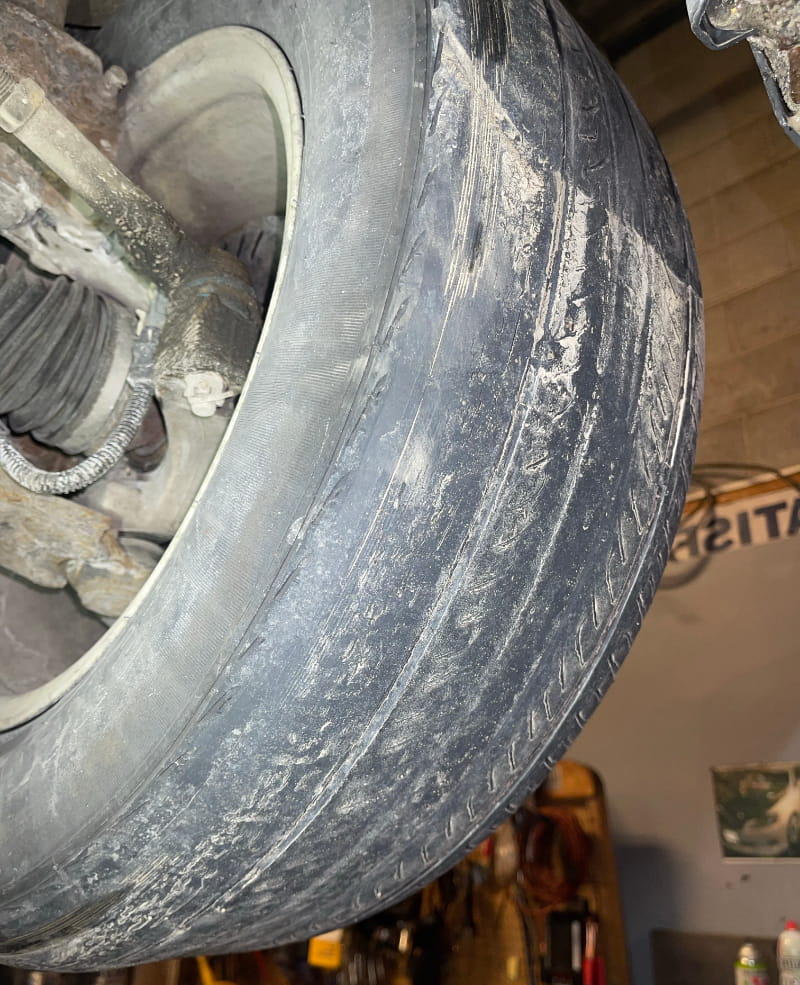 Your all season tires are one of the first things to inspect after a long Brantford winter. The cold weather and rough roads all affect tread wear, air pressure, and sidewall conditions.
Even if your tires look like they’ve made it through the season, that doesn’t always mean they came through in good shape. This is where the trained eye of a mechanic becomes important.
You need to check for how evenly your tires wore down and look for uneven wear that can point to alignment or suspension issues.
If you notice vibration, pulling, or a change in handling, those signs should not be ignored. Checks you can do on your own:
- Check tread depth on all four tires, not just the front ones.
- Look for cracks, bulges, cuts, or sidewall damage.
- Make sure tire pressure is adjusted for the warmer season.
- Watch for uneven wear across the inside or outside edges.
- Inspect your wheels for bends or damage caused by potholes.
If your changing from your winter ties, it is worth checking the condition of both because a seasonal swap is one of the easiest times to catch a problem before it affects safety or leads to faster wear.
Brakes
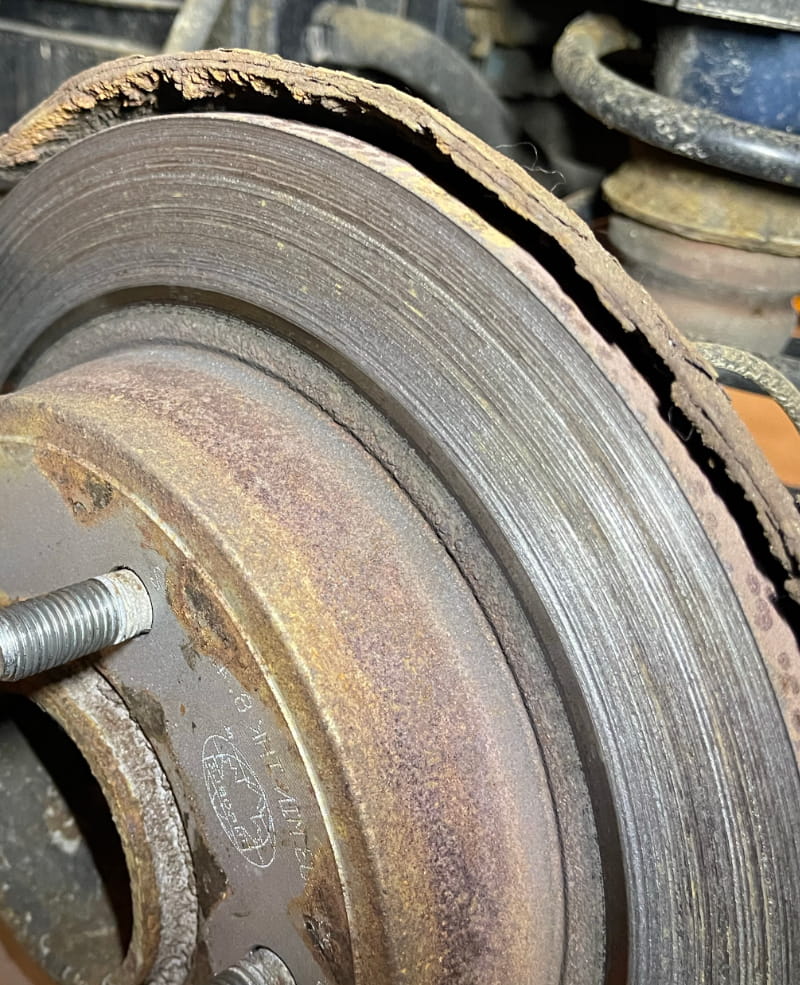 Winter conditions make your braking system work harder and the stresses of slushy roads, salt, and stop-and-go driving all add up. You use your brakes much more in winter because of slower traffic, slippery intersections and unpredictable road conditions. It’s obvious the brakes are another highly important part of your car to get checked after winter.
Depending on the age of your vehicle, pay attention to any grinding, squealing, pulsing sounds or changes in the way it feels when you brake. A vehicle that takes longer to stop or feels rough when braking should be checked right away.
The problem with brakes is that the change is gradual so drivers don’t easily notice it. Here’s what you can do:
- Listen for squealing or grinding noises.
- Notice whether the brake pedal feels softer or lower than normal.
- Pay attention to shaking when braking at higher speeds.
- Check whether the vehicle pulls to one side under braking.
If you have any of the above problems, you should immediately bring your car to your mechanic for auto brake repairs.
Suspension and Steering
You may notice your steering and suspension feels a little off. This is because potholes and rough winter roads can be hard on suspension and steering. These parts of your vehicle may have wear that needs attention especially if you hear clunking sounds over bumps or notice that the steering does not feel as tight as it used to.
A steering and/or suspension problem can also contribute to excessive tire wear which is another reason these two systems should be looked at together. A simple suspension service will give you an idea of how stable your system is.
Undercarriage and Rust-Prone Areas
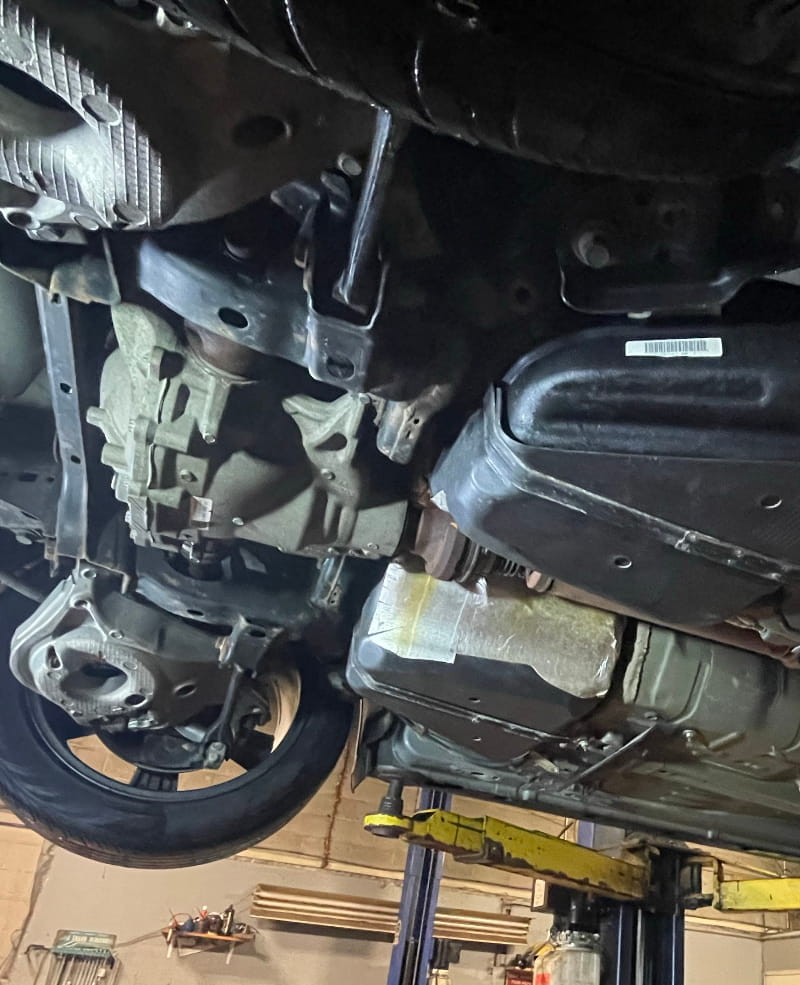 Spring is the perfect time to inspect the underside of your vehicle because road salt is hard on the metal parts under it. This is especially true if you do a lot of both city and highway during freeze-thaw periods.
You do not need to worry about every bit of surface rust but you do want to know whether there is severe corrosion starting in important areas.
You should have your brake lines checked, the exhaust components and mounting points, and all other underbody parts that deserve a look at after winter ends. Here are some ideas:
- Look for visible rust underneath the vehicle.
- Check around wheel wells and lower body panels.
- Pay attention to loose-looking shields or hanging components.
- Listen for new exhaust noise that may point to corrosion or damage.
Battery, Fluids, and Wipers
Cold weather is hard on batteries too and winter driving usually means more useage of heaters, defrosters, lights, and wipers. By the time spring comes around, your battery may still work but it could be weaker than it was at the start of the season. If your vehicle is slower to start than normal, that is worth checking.
Also, the washer fluid, coolant, and other basic fluids should be looked at after winter. Wiper blades are another common problem area. Ice, salt, and the winter use can wear them down faster than most people realize. By the time spring comes around, they may be streaking badly or missing important parts.
What This Check Can Help You Avoid
 An after winter inspection helps you catch problems that start small. Tire wear, brake issues, steering changes, rust, and weak batteries are all areas that do not shut a vehicle down right away but can eventually add up and become costly.
That is why a basic inspection after a long winter is worth doing so you have a better sense of how your vehicle actually came through the season and to know what to expect for the rest of the year.
If you live in Brantford and want to know if your vehicle is ready for the summer, come on in to In The Shop Tire & Auto, and make sure to ask for Tim!