
What Those Numbers Really Mean
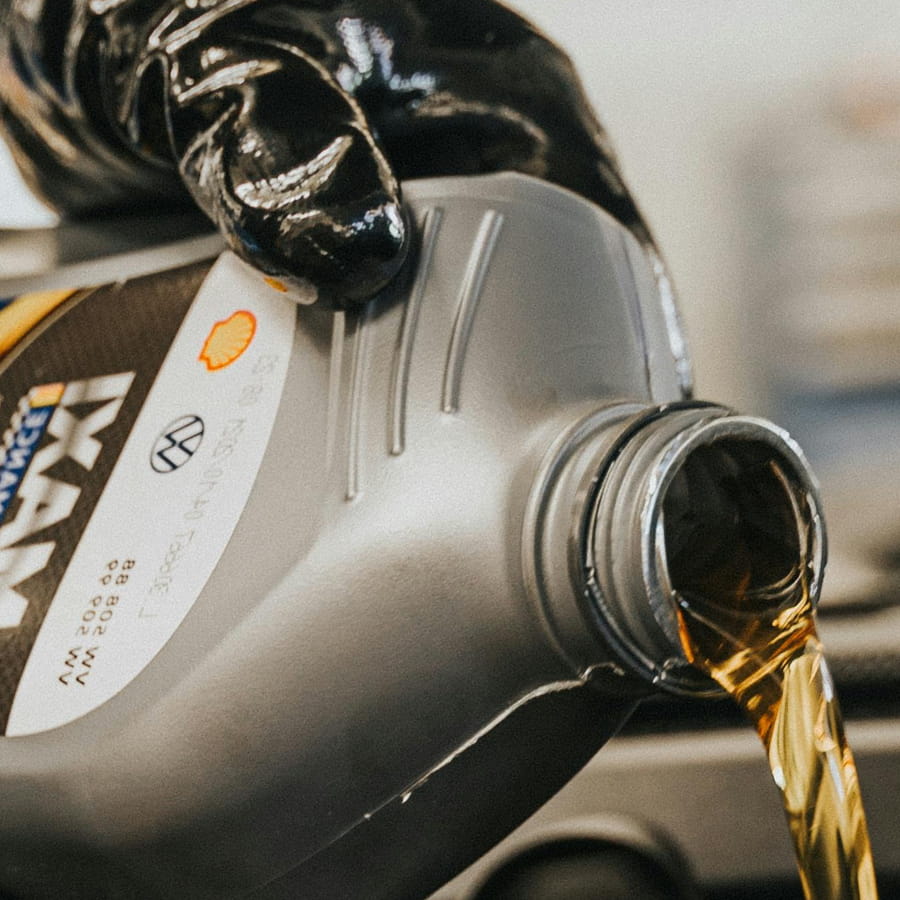 Motor oils are graded using a system set by the SAE (Society of Automotive Engineers) and tells you how the oil behaves at cold and normal operating temperatures.
You’ll see oil types written like 5W-30 or 10W-30. First, the “W” stands for winter. The “W” and the number stand for how the oil flows when your engine is cold. A lower number means the oil stays thinner in cold weather which helps it move faster when you start your engine.
So 5W flows better than 10W on chilly mornings and an 0W oil flows even quicker which makes it great for really cold climates.
The second number like the 30 tells you how thick the oil stays once the engine is hot and running. This helps the oil keep a strong film between parts while you drive, especially on long trips or in traffic.
If you live in a place with really cold winters, go with a lower first number (like 0W or 5W) to protect your engine during cold starts.
But always follow what your owner’s manual recommends because it’s designed around your specific engine, and using the right oil type keeps everything running smooth and lasting longer.
The Three Popular Viscosities You’ll See
5W-30 – The “All-Weather, All-Purpose” Standard
 This is the most widely recommended oil for modern cars and light trucks.
Why most vehicles use it:
- Cold starts, flows quickly even in below-freezing temperatures.
- Is thick enough at running temperature to protect bearings and camshafts.
- Balances protection, pumpability, and everyday wear-and-tear prevention.
Because it uses more advanced additives, 5W-30 stays more stable across temperature swings compared to oils with higher cold ratings. That’s one reason it’s the go-to oil for all-season use.
10W-30 – The “Classic Workhorse” Oil
This used to be the standard grade in many cars, trucks, and older engines before all-season oils became the norm.
How 10W-30 differs from 5W-30:
- At operating temperature, it behaves just like 5W-30 – because both have a “30” rating.
- At cold start, it’s a bit thicker and flows more slowly, which historically made sense in warmer climates or for engines that run hot under heavy loads.
Why some drivers still choose it:
- In mild climates where extreme cold isn’t a concern, the slightly thicker cold-start flow can help maintain a steady protective film in older engine or engines with high mileage.
- Some older engines benefit from the traditional flow 10W oil offers.
That said, if your owner’s manual specifies 5W-30, you’ll usually still be fine but the real difference shows up mostly in very cold weather.
0W-20 – The “Fuel-Saver, Cold-Flow Champion”
Newer vehicles like those tuned for fuel economy and reduced emissions, are increasingly specified to use 0W-20.
What makes 0W-20 stand apart:
- Ultra-fast pumpability at cold start. It flows quicker than both 5W-30 and 10W-30 in freezing conditions.
- Lower operating viscosity. At running temperature, it’s thinner than a 30 weight oil, thus reducing internal friction and boosting fuel economy.
A few practical points most people don’t realize are that fuel economy gains aren’t the only claims. Lower viscosity oils measurably reduce engine friction especially in everyday driving where stop/start traffic or short trips dominate.
Also, that thinner film is not right for every engine so if a car manufacturer calls for 5W-30, using 0W-20 without mechanic-approval can compromise protection.
You can read this article on
Additives Matter Too
 Two oils with the same viscosity numbers can perform very differently depending on:
- Base oil type (conventional vs synthetic vs blend).
- Additives that fight wear, oxidation, and high heat breakdown.
Even with the same viscosity, synthetic oils usually outperform conventional oils with longer drain intervals and in hard-use conditions.
They also maintain viscosity better across wide temperature swings. This is why many performance and turbocharged engines specify synthetic 5W-30 or 0W-20.
What About Diesel Engine Oil?
Diesel Oils Are Built Different
Diesel engines operate at higher compression ratios and produce more soot and heat than regular gasoline engines. That’s why diesel oils (like 15W-40 or 5W-40) contain different additives like more detergents and dispersants that handle soot and keep parts clean.
Common grades you’ll see in diesels
- 15W-40 which is the go-to for heavy-duty trucks, farm equipment, and older diesel pickups.
- 5W-40 synthetic which is preferred in newer diesel engines for better cold starts and extended drain intervals.
Can You Use Regular Gas Engine Oil in a Diesel?
No. You could damage your diesel engine if you use a regular engine oil type. The additives are different. Diesel oils are formulated to neutralize the acidic byproducts of combustion and suspend soot particles, even if the viscosity numbers seem similar.
Duel-rated engine oil
Some oils are dual-rated (i.e. “API CK-4/SN” or similar). These oil types are safe for mixed-fleet use like if you own a diesel truck and a gas car. But unless it’s specifically marked as such don’t assume one oil fits both engines.
The Takeaway
Read our article on How The Weather & Seasons Affect Vehicle Oil Performance and stick to the oil grade recommended in your owner’s manual because it’s based on the build of your engine.
If you’re in a colder climate, look for a lower “W” number like 0W or 5W to help your engine start smoother and reduce wear.
For heavy load travelling or hotter weather, thicker oils at operating temperature or synthetic oil designed for high-heat stability, offer better protection.
And if your vehicle was designed for fuel efficiency with 0W-20, don’t swap it for a thicker oil unless your local mechanic advises it.