
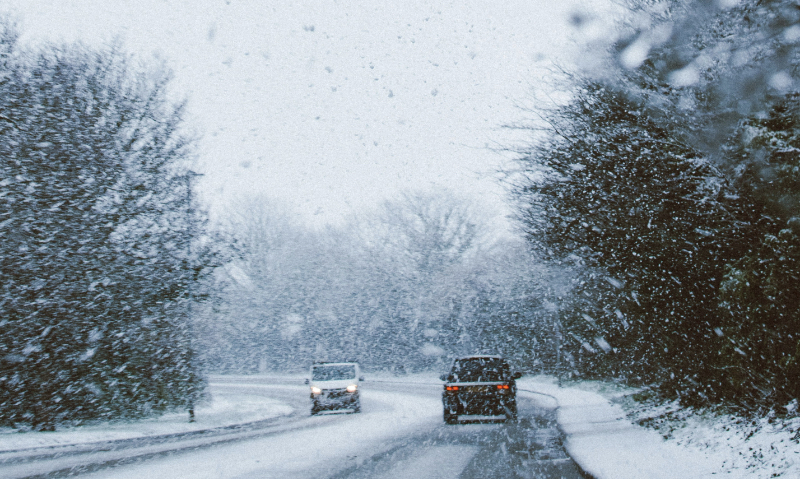
 At the time of writing this, winter is only a few months away, so we decided it would be a good idea to help you get your vehicle prepared for the cold days ahead.
One thing every Ontario driver knows is that winter driving can drastically change within hours and sometimes even minutes. The dry pavement you’re driving on can suddenly be full of blowing snow, slush or black ice. And even though your vehicle probably started normally in October, it may struggle to start once the temperature drops.
To properly prepare your vehicle for winter you need to ensure it can start reliably, stop properly and keep the windshield clean. It’s also wise to stock certain supplies in case of an emergency and learn to postpone a trip because the roads are bad.
Have Your Vehicle Inspected Before Winter Arrives
The first thing you want to do to ensure your vehicle is in top condition for winter is setting up a pre-winter inspection with your mechanic which is best done before the first major snowfall. This would be a preemptive inspection that gives you enough time to look for worn parts, tune it up if needed and replace your tires before the big rush that happens immediately after the first snowfall.
Install four proper winter tires
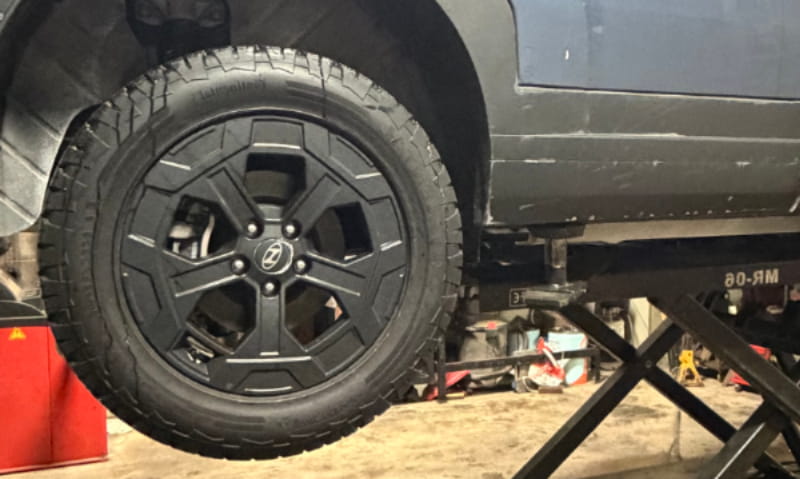 Changing your summer tires to winter tires is the first and foremost thing you should do to improve your road handling during the winter.
Even Transport Canada explains that all-season and summer tires begin losing their elasticity when the temperature is below 7°C, while winter tires stay flexible and provide much better grip at lower winter temperatures.
Your mechanic will help you make the tire selection based on your driver’s manual and your needs, but you can look for the three-peak mountain snowflake symbol on the tires you’re interested in if you want to become more familiar with them.
We don’t advise you at all to mix your new winter tires with summer or all-season tires because they are not meant to work together and they can make the front and rear of the vehicle respond unexpectedly during braking or cornering in slick conditions.
If you already have proper winter tires, just ask your mechanic to inspect the condition and age of them. Your mechanic will confirm whether or not they’re in proper condition, ensure the correct size for the vehicle and inflate them to the pressure listed by the vehicle owner’s manual.
Pro tip: Remember that tire pressure falls in cold weather, so it should be checked a few times throughout the season.
Not convinced you should install winter tires? Read our article on What Makes Winter Tires Stick to the Road So Well to see why they’re so important for winter driving.
Transport Canada also put this informative video together on Testing the benefit of using winter tires in Canada.
Watch it below:
The battery and charging system should be tested
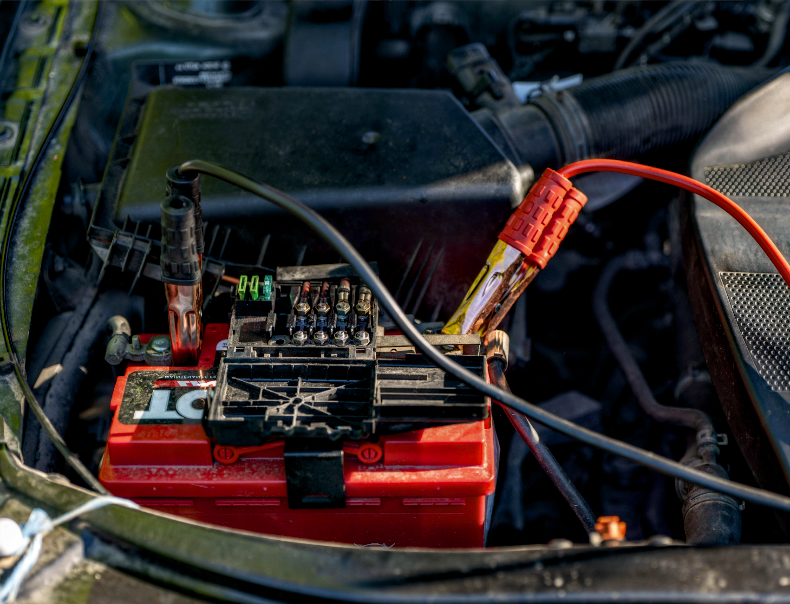 This is the system that actually turns your car on and keeps it running. The problem is that when it’s cold, the battery’s power is reduced and the engine needs more energy to start. If it’s cold and the battery is already weak, you’ll know it because the engine will turn over a few times before it starts – if it does start.
Your mechanic will perform a battery load test and inspect the terminals for corrosion to confirm that the charging system is working properly. If the battery is approaching the end of its expected service life, they’ll suggest replacing it before winter to prevent a roadside failure. Take their advice.
The brakes, fluids and belts
Winter tires are great to have in the winter but they don’t compensate for worn brakes, so during your visit, your mechanic will inspect the brake pads, rotors, fluid lines and the condition of the brake-fluid.
Your mechanic will also test the coolant’s freeze protection and inspect the cooling system for leaks. They’ll check that the engine oil is the appropriate viscosity for winter operation and for any belts or hoses that show cracking or other deterioration.
You’ll want this entire system in check to take you through driving through the winter.
Driving visibility
 Driving visibility is especially important during the winter for obvious reasons so your winter preparation will include replacing old wiper blades and filling the windshield washer fluid. Your mechanic may suggest purchasing an extra jug of washer fluid in case you run out during a messy snow storm.
Your mechanic will check the heater, front defroster and rear-window defogger to make sure they operate properly. The headlights, taillights, brake lights and turn signals will be checked too.
Check the Weather Before Driving
To check the weather before heading out you can use the Ontario 511 program to review GTA highway conditions and live cameras to check the road conditions because they may be very different than the conditions outside your home.