
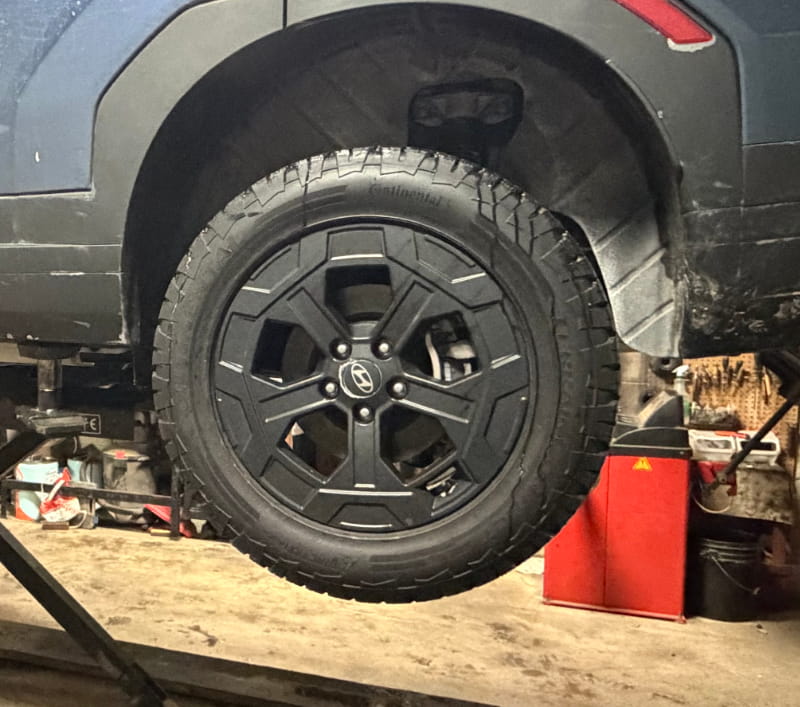
 A lot of our customers come to our shop complaining about their steering wheel always shifting when they’re driving. They express worry because they believe that there’s something seriously wrong with their car, but we assure them that there’s not, and that it’s most likely only a wheel alignment issue.
Generally speaking, a vehicle is supposed to move in a straight line without pulling, vibrating or needing constant steering corrections, so when this happens, its understandable if they have serious concerns.
When a vehicle starts feeling harder to control driving in a straight line or they feel rumbling, there’s definitely a problem but it’s not usually a serious or dangerous issue, but a wheel alignment issue definitely needs to be checked.
Wheel Alignment Affects Vehicle Handling
When wheel alignment is off it can affect how the vehicle handles and how evenly the tires stay in contact the road. It’s not generally a dangerous situation but if alignment is off and you take your eyes off the road for just a few seconds, you could find yourself veering off into another lane and causing an accident.
Drivers that notice even small changes in steering or tire wear should visit their tire shop in Brantford to have the tires, wheels and alignment professionally inspected, so proper handling can be restored and no tire-wear continues.
Once the tires are properly aligned again, it will make driving more smoother and predictable, and it will prevent a new set of tires from wearing out earlier than they’re supposed to.
What Wheel Alignment Corrects
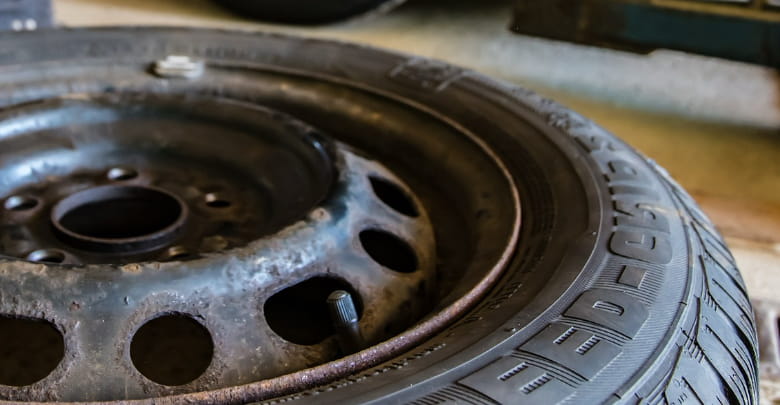 Wheel alignment is not a complicated mechanic task. It involves adjusting the angles that the wheels meet the road. With regular driving, these angles can gradually move outside the vehicle manufacturer’s specifications because of road conditions, potholes, worn-out suspension components and even driving habits.
There are three main alignment measurements which are the camber, the caster and the toe. The following is a brief example of all 3 of these components:
- The camber measures whether the wheel tilts inward or outward when viewed from the front of the vehicle.
- The caster relates to the angle of the steering axis and affects steering stability and how smooth the drive is.
- The toe measures whether the tires point slightly inward or outward when viewed from above.
To make sure everything is in proper working order your mechanic uses specialized alignment equipment to measure these angles and make the required adjustments.
The ultimate goal is to have the wheels positioned properly and according to the specifications for that particular vehicle.
These are the Signs That Your Vehicle Needs an Alignment
Alignment problems don’t give the driver actually any technical warning signs in the dash but they’ll notice a change in steering, handling or tire wear.
Here are the important signs to look out for:
- Check if the Vehicle Pulls to One Side
- The Steering Wheel Is Off-Centre
- The Tires Are Unevenly Wearing Out
- The Vehicle Feels Unstable When You Drive
1. Check if the Vehicle Pulls to One Side
If your vehicle consistently drifts to the left or right when you’re driving on a level road, you most likely alignment issue.
Some roads are intentionally sloped for drainage purposes so a slight drift doesn’t always mean there’s a problem but a strong or persistent pull is not a good sign and should definitely be inspected.
Uneven pulling is usually caused by either uneven tire pressure, tire damage, brake problems or worn suspension parts but only proper inspection by your mechanic can accurately determine what’s affecting the vehicle.
2. The Steering Wheel Is Off-Centre
The steering wheel should normally sit close or right at its centred position when the vehicle is travelling straight. When you’re driving on a straight road and it continually turns to one side, the wheels are likely to be misaligned.
An off-centre steering wheel can make the vehicle feel less natural to drive. It may also require the driver to keep making small corrections to remain in the lane.
3. The Tires Are Unevenly Wearing Out
 Alignment problems place additional pressure on one section of a tire. As a result, the inside or outside edge may wear faster than the rest of the tire’s tread.
If you run your hand across the tread you may also feel what’s called feathering. Feathering happens when one edge of each tread block feels smoother while the opposite edge feels sharper.
A mechanic is the best person to do this kind of inspection so they can properly inspect the wear patterns and determine whether alignment issues are the cause.
Here is a good way to test your tire treads, just to make sure they’re safe before actually taking your vehicle to a mechanic.
4. The Vehicle Feels Unstable When You Drive
Poor wheel alignment can also make your steering feel loose, unpredictable and/or unusually sensitive to road conditions.
With misalignment issues, the vehicle can wander within the lane and feel extremely unstable when you’re driving at highway speeds.
If this is the case, an appointment with your mechanic should be made for an inspection because steering and suspension problems like this can create other problems, but most importantly are quite dangerous when you’re on the road.
Instability can be caused by an alignment issue, a tire problems or just regular needed repairs to other components. Don’t just ignore this issue because your driving safety is at risk.
What Can Cause Wheel Alignment Problems?
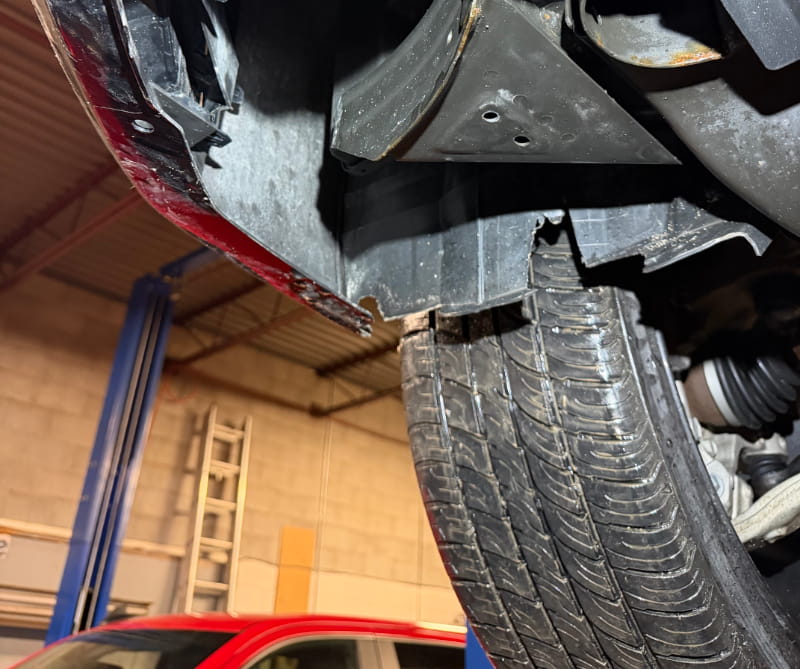 The alignment of your tires can change suddenly after a hard impact or just gradually through everyday use.
An wheel alignment issue is usually caused after:
- hitting a deep pothole
- striking a curb
- extremely sharp turns at high speeds
- always driving on rough roads
- wear in steering or suspension components
- after replacing certain suspension parts
- certain vehicle modifications
- damage caused by a collision
In Brantford, drivers encounter potholes, construction zones and uneven road surfaces throughout the year so even one impact may be enough to affect the alignment, especially when the pothole is deep enough or was struck at a high speed.
Should You Get an Alignment With New Tires?
Yes. If you just bought and had new tires installed, it’s sensible to have a realignment done, especially when the old tires show uneven wear. If you don’t, new tires will begin developing the same wear patterns and you’re just wasting your money.
An alignment check is also helpful after suspension or steering repairs because some repairs change the position of the wheels and require the alignment to be reset again.
Wheel alignment and wheel balancing
Wheel alignment and wheel balancing are separate services. Alignment corrects wheel angles, while balancing corrects weight differences within a wheel and tire assembly.
A vehicle that vibrates at certain speeds may need its wheels balanced instead of aligned but in some cases, both services may be needed.
How Proper Alignment Helps Tire Life and Drive Handling
 Better contact with the road
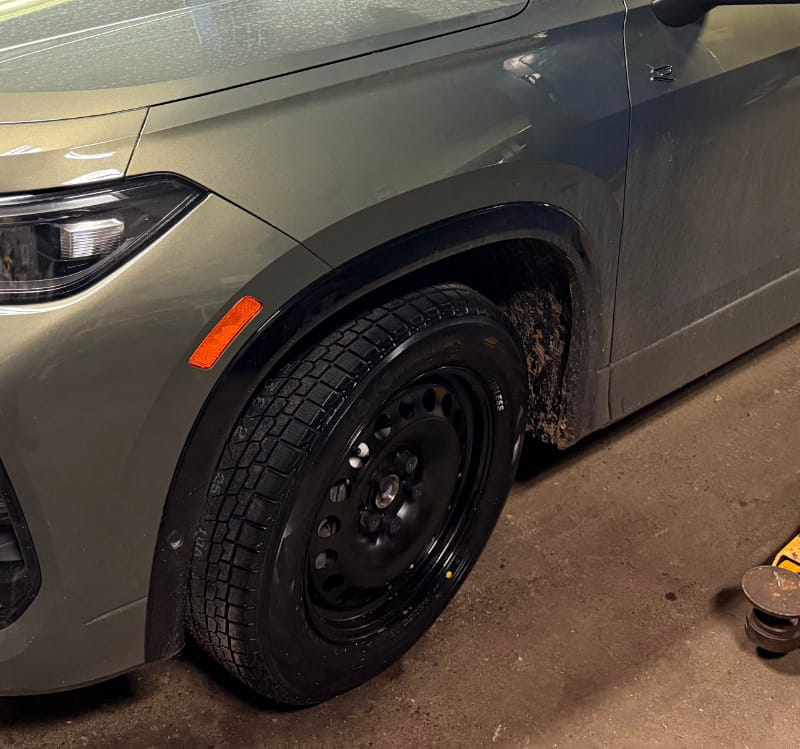
Properly corrected alignment distributes the vehicle weight more evenly across the tire tread and reduces unnecessary wear on the inner or outer edges of the tire. This helps the tires maintain better contact with the road.
Straighter tracking and more consistent steering
Drivers will also notice straighter tracking and more consistent steering after an alignment. The exact improvements will depend on the original problem and the condition of the tires, the steering and the suspension.
Please note: alignment cannot reverse tire damage and severely/unevenly worn tires may still need to be replaced after the alignment is corrected.
What to Do If You Have Wheel Alignment Issues?
If your vehicle pulls, wanders or shows unusual tire wear, have it inspected by your mechanic before the problem becomes worse because early attention will help protect the tires and restore more predictable handling.